Yogyakarta for families is a topic most travel guides handle with a list of “kid-friendly attractions” that tells you very little about what actually works with children of different ages, different temperaments, and different thresholds for heat, queues, and temple walkthroughs. This guide covers the honest version — what lands well, what doesn’t, and how to structure a family trip to Yogyakarta that suits the adults and the kids equally.
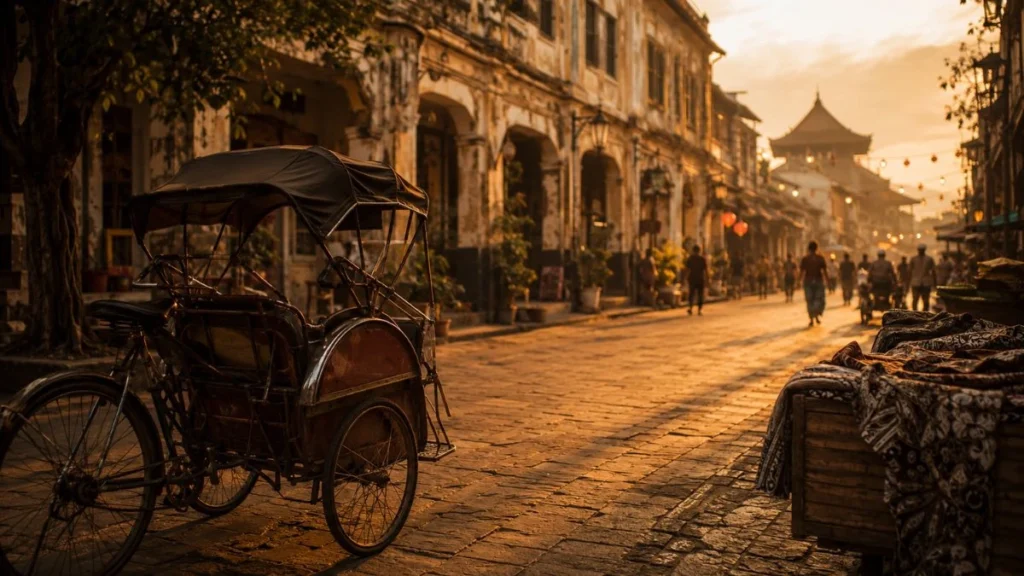
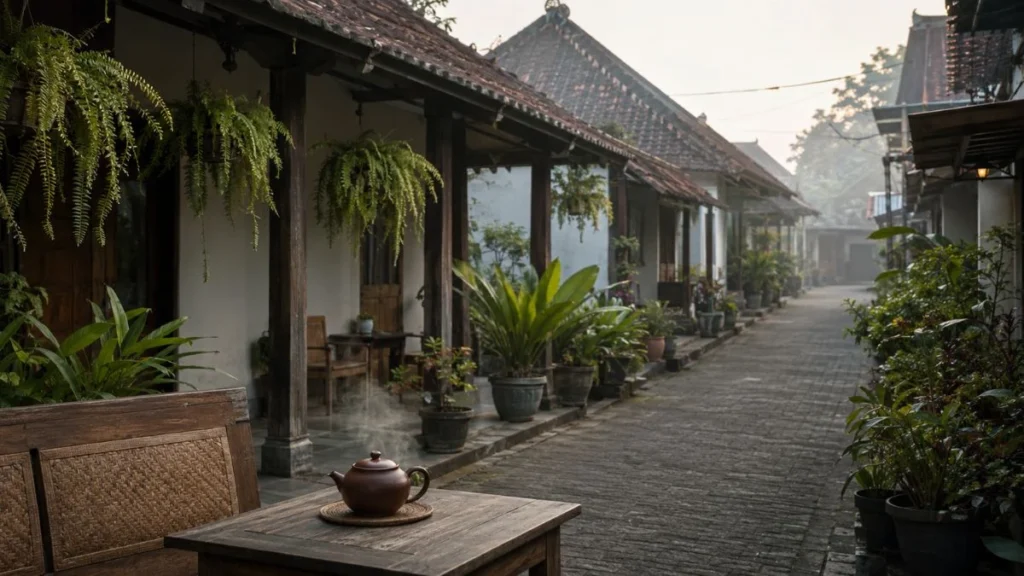
Yogyakarta for families works better than many first-time visitors expect, and differently than most family travel guides suggest. The city isn’t set up with dedicated children’s infrastructure the way some Southeast Asian tourist destinations are — there are no large theme parks, no organized kids’ clubs at most accommodations, and no single attraction that functions as a half-day childcare solution the way an aquarium or wildlife park might. What it has instead is a layered, walkable city where the interesting things are genuinely interesting to curious children of a certain age, and a cultural context that’s unusual enough to hold attention without requiring the artificial engagement of purpose-built attractions.
What Age Range Actually Works for Yogyakarta
Yogyakarta for families with children under five is a different proposition from traveling with older children, and worth being honest about. Toddlers and very young children can manage Yogyakarta fine in terms of logistics — the city isn’t hostile to small children, and warungs and cafes accommodate families without issue. But most of what makes Yogyakarta interesting (the Kraton’s cultural depth, the craft village context, the temple relief narratives) requires a level of engagement that young children don’t have, and the heat combined with long walks between sites makes for difficult days with tired small kids.
The sweet spot for Yogyakarta family travel is roughly ages seven and up — old enough to be genuinely curious about the Kraton’s living traditions, to watch a silversmith work in Kotagede with real attention, or to follow the Ramayana Ballet’s visual storytelling without needing it explained every five minutes. Teenagers who are interested in history, craft, or outdoor activities (the Merapi highlands, Gunungkidul beaches, the Jomblang Cave descent for older teens) will get significantly more from Yogyakarta than a family itinerary built around keeping young children occupied.
What Works Well for Families in Yogyakarta
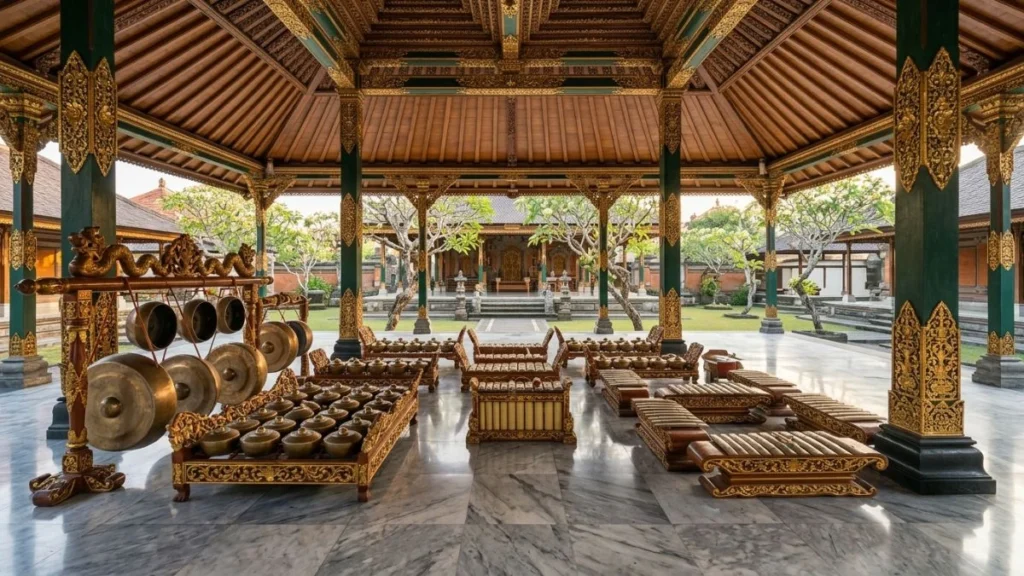
The Kraton is more engaging for children than most parents expect, particularly if you time a visit around the gamelan rehearsal in the main pendopo. Live music in an unusual setting, elaborate court costumes in the museum sections, and the genuine novelty of a palace where someone actually lives — these land better with curious children than the standard heritage site walkthrough suggests. The full detail on making the most of a Kraton visit is in the Kraton Yogyakarta guide.
Kotagede silversmithing workshops work particularly well for children who are interested in how things are made — watching a craftsperson work at a bench, seeing the tools and materials, and understanding that the finished pieces in the display case were made by hand in the same room is the kind of concrete, visible process that holds children’s attention better than a museum explanation of the same thing. The Kotagede silver guide covers which workshops still have visible production rather than showroom-only layouts.
Prambanan over Borobudur is a genuine recommendation for families with children — Prambanan’s multiple temple structures give children more to physically explore, the scale is human enough that kids don’t get lost in it, and the Ramayana story in the relief panels is a narrative that children can follow with some guidance (heroes, demons, a monkey army, a rescue — it translates). The Prambanan Temple Yogyakarta guide covers the site in detail.
The Ramayana Ballet at Prambanan is worth considering for families with children old enough to sit through two hours of performance — the visual drama of the costumes, the fire dancing sequences in the battle scenes, and the outdoor setting make it genuinely more accessible for children than a conventional theatre performance. The considerations around scheduling and advance booking are covered in the Ramayana Ballet Yogyakarta guide.
Pasar Beringharjo works as a sensory experience for children who are curious about markets — the color, the sound, the variety of the upper floors, and the jamu section with its unfamiliar ingredients are genuinely engaging for children who don’t require a structured activity. The Pasar Beringharjo guide covers what to expect across the different floors.
Gunungkidul beaches are the most straightforwardly enjoyable option for families with children who need a day that isn’t another temple — the calmer bays like Wediombo give children room to swim and explore, and the limestone cliff scenery is dramatic enough that it registers as genuinely memorable rather than just another beach. The Gunungkidul beaches guide covers which beaches are calm enough for family swimming.
What Doesn’t Work as Well
Jomblang Cave has a minimum age and fitness requirement for the vertical descent — it’s not suitable for young children, and the queue and logistics make it a poor choice for families with mixed-age groups unless the older children are genuinely committed to the descent. The Jomblang Cave guide covers the access requirements in detail.
Borobudur, while impressive, is less well-suited to families with young children than Prambanan — the scale is harder for small children to engage with, the walkthrough is long in the heat, and the crowd management during peak season adds friction that families feel more acutely than solo travelers. The sunrise ticket version, which requires a 4am departure, is genuinely impractical with young children.
Extended temple combinations in a single day — trying to do both Borobudur and Prambanan, or adding Ratu Boko to a Prambanan afternoon — work on paper but produce tired, overheated children in practice. One major site per day, with a lighter afternoon, is a more realistic family itinerary than the solo-traveler version of the same day.
Practical Family Logistics
Accommodation with a pool is a meaningful quality-of-life factor for families in Yogyakarta — it gives children a reliable way to decompress at the end of a hot day without requiring another organized activity. The mid-range and upper accommodation tier in Yogyakarta includes several family-suitable properties with pools, which are worth prioritizing over character accommodation that doesn’t have them.
For transport, a private car and driver is significantly more practical for families than ride-hailing across multiple separate vehicles — keeping children together, managing luggage and snacks, and having a reliable return option from day trip destinations are all easier with a dedicated vehicle for the day. The getting around Yogyakarta guide covers the logistics of arranging this.
For food, the warung tier is genuinely family-friendly — rice, fried chicken, noodle soups, and egg dishes are universally present, and most children who eat without significant dietary restrictions will find something workable at almost any warung. The Yogyakarta food guide covers the food landscape in more depth, including the mid-range restaurant options in Prawirotaman that offer more menu variety for families with picky eaters.
Frequently Asked Questions
Is Yogyakarta a good destination for families with young children?
It depends on the children’s ages and temperaments. Families with children seven and older who are curious about culture, history, and craft will find Yogyakarta genuinely engaging. Families with toddlers or very young children can manage logistically, but most of what makes Yogyakarta interesting requires a level of engagement that young children don’t have, and the heat makes long days harder.
What is the best thing to do in Yogyakarta with kids?
The Kraton visit timed around the gamelan rehearsal, the Kotagede silversmithing workshops, Prambanan’s temple complex, and a beach day at Gunungkidul’s calmer bays are consistently the most engaging options for children across a range of ages.
Is the Ramayana Ballet suitable for children?
Yes, for children old enough to sit through a two-hour performance. The visual drama of the costumes, the fire dancing sequences, and the outdoor setting make it more accessible for children than a conventional theatre performance. The full scheduling and booking details are in the Ramayana Ballet guide.
What accommodation should families choose in Yogyakarta?
Mid-range properties with a pool are worth prioritizing over character accommodation without one — a pool gives children a reliable way to decompress at the end of a hot day. Prawirotaman has the most family-suitable concentration of mid-range properties with this kind of amenity.