Solo female travel Yogyakarta is a topic that gets either dismissed too quickly (“it’s fine, don’t worry”) or overcautioned in ways that aren’t particularly useful. The honest version is somewhere in the middle — Yogyakarta is one of the more manageable cities in Indonesia for women traveling alone, and that comes with specific reasons and specific caveats worth knowing before you go.
Solo female travel Yogyakarta sits in a different category from solo female travel in, say, Bali’s south or Jakarta. The city is smaller, the street harassment dynamic is lower-key than in some Indonesian cities, and the culture around women moving independently in public space is relatively relaxed compared to parts of the country where that’s more conspicuous. That said, “relatively relaxed” isn’t the same as “no considerations apply,” and the advice that tends to circulate — either “totally safe, stop worrying” or an exhaustive list of worst-case scenarios — is rarely as useful as a clear picture of what the actual day-to-day experience involves.
What Solo Female Travel in Yogyakarta Actually Looks Like
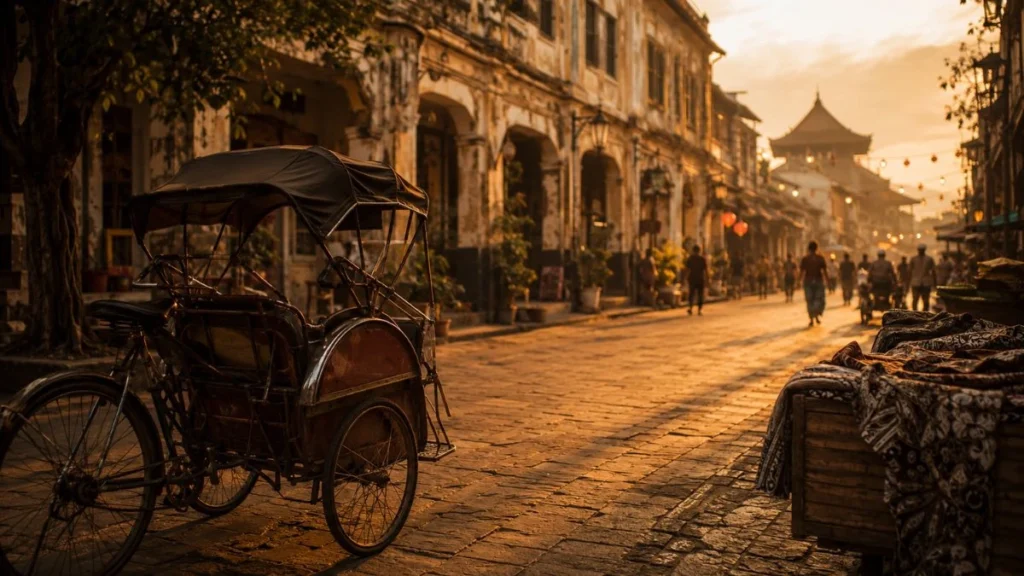
The day-to-day experience of solo female travel Yogyakarta for most Western women is: largely uneventful. Walking through the Kraton area, browsing Pasar Beringharjo, eating at a warung, taking a ride-hailing app across the city — none of this involves meaningful risk or persistent unwanted attention for most travelers most of the time. Yogyakarta’s large student population and its established backpacker scene in Prawirotaman mean that solo Western women are a familiar presence in the parts of the city most visitors spend time in, and the social dynamic reflects that.
The areas worth being more thoughtful about are the ones that would give most experienced travelers pause regardless of gender: moving alone at night in unfamiliar areas well outside the tourist corridor, accepting unsolicited transport from unlicensed drivers, and visiting isolated sites alone without telling anyone your itinerary. None of these are unique to women, and none of them mean the city isn’t worth visiting alone — they mean the same calibrated awareness you’d apply anywhere applies here too.
Getting Around Safely as a Solo Female Traveler
The most practical safety decision for solo female travel in Yogyakarta is using ride-hailing apps (Gojek and Grab) for all transport rather than unlicensed taxis or informal transport offers. Both apps record the driver, the vehicle, and the route — which is relevant context in the same way it is in any city, and removes the negotiation dynamic that makes some transport interactions more complicated than they need to be.
GrabCar or GoRide (the motorbike option) both work well for city movement. For solo women who are less comfortable on motorbike taxis, particularly at night, GrabCar is the more contained and trackable option. The difference in journey time is usually small for city distances, and the additional comfort is worth it.
For day trips to Gunungkidul beaches, Kaliurang, or Borobudur, a pre-arranged private driver through your accommodation is more comfortable and more trackable than arranging transport informally on the day. Most accommodations in Yogyakarta maintain relationships with reliable local drivers — asking for a recommendation from reception is more useful than accepting approaches from drivers outside tourist sites.
Where to Stay: Neighborhood Considerations
Neighborhood choice matters for solo female travelers in Yogyakarta in the same way it matters for most practical reasons — walkability, proximity to transport, and the character of the immediate area at night all affect day-to-day comfort. The full breakdown of the three main areas is in the where to stay in Yogyakarta guide, but the short version from a solo travel perspective:
Prawirotaman is the most established option for solo independent travelers — familiar infrastructure, walkable to cafes and restaurants, enough other solo travelers in the same area that it doesn’t feel isolated. The trade-off is that it’s further from the major city-center sights.
The area around Malioboro is convenient and central but also the busiest and most vendor-traffic-heavy, which means more unsolicited approaches during the day. It’s manageable and many solo women stay here without issue, but the constant commercial activity makes it a louder environment than Prawirotaman.
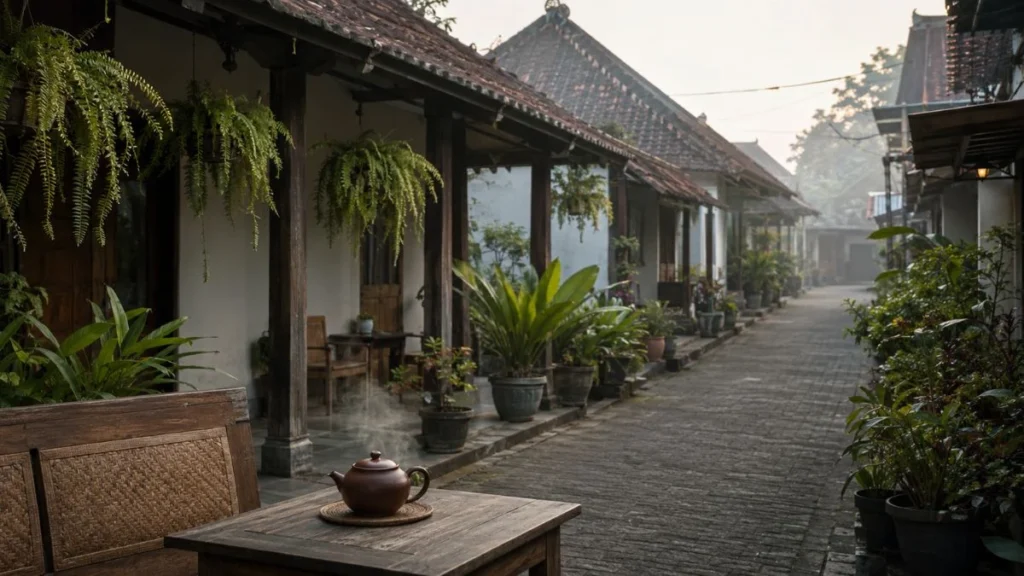
Kotagede is the quietest and most local option. For solo female travelers who specifically want immersion over convenience, it’s a genuine option — but the quieter streets at night and the longer ride into the center make it better suited to women with more Southeast Asia experience who are comfortable navigating a less tourist-facing neighborhood independently.
Dress and Cultural Context
Yogyakarta is a more conservative city than Bali, and dressing with some awareness of that context makes day-to-day movement more comfortable — not because the city is hostile to visitors who don’t, but because it reduces unnecessary friction in the places where it matters most. Inside the Kraton and at active religious sites, covering shoulders and knees is required for everyone. In the general city context, the standard Southeast Asia solo traveler approach — less revealing than you might wear at home, more covered than you’d wear on a beach — is appropriate and unremarkable.
This isn’t specific to women, but it’s more consequential in practice for women in terms of the quality of interactions in more traditional parts of the city. The pragmatic version: a light scarf that can cover shoulders when needed is worth carrying, and you’ll use it.
Eating and Moving Alone
Eating alone as a woman in Yogyakarta is entirely unremarkable — warungs, angkringan, and mid-range restaurants all accommodate solo diners without it being a notable event in either direction. The Yogyakarta food guide covers the eating landscape honestly, and none of the eating options covered there present any particular consideration for solo women beyond the general awareness that applies to unfamiliar city eating anywhere.
The angkringan culture — the street cart eating described in that guide — is worth engaging with as a solo traveler, because the communal seating and shared table dynamic at angkringan carts is one of the more naturally social eating environments in Yogyakarta, where eating alone doesn’t feel isolating and where conversation with other diners happens organically rather than requiring effort.
The Honest Assessment
Solo female travel Yogyakarta is a reasonable and manageable experience for women with some prior Southeast Asia travel experience, and an achievable one for first-timers who are willing to do basic preparation around transport, accommodation choice, and itinerary communication. It is not a city that requires a companion for safety, and it is not a city where the considerations are so significant that they should deter independent travel.
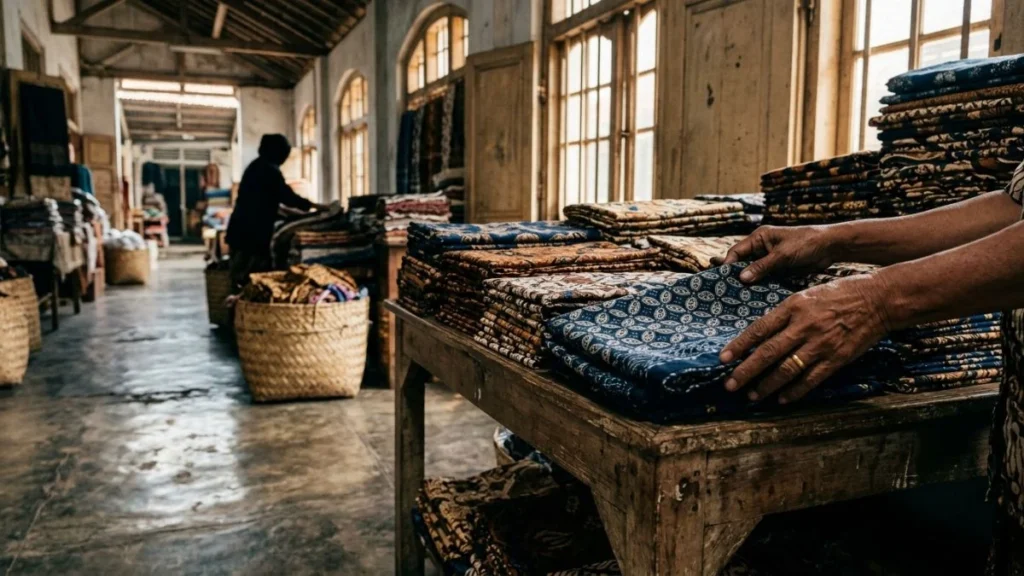
The version of Yogyakarta worth engaging with — the Kraton’s living traditions, the Kotagede craft villages, the Taman Sari water castle, the highland road trips — is fully accessible to solo women traveling independently. The main practical adjustments are around transport and accommodation choice, not around which parts of the city or itinerary are available to you.
Frequently Asked Questions
Is Yogyakarta safe for solo female travelers?
Yes, with the same calibrated awareness that applies to solo travel anywhere. Yogyakarta is one of the more manageable Indonesian cities for women traveling alone — the street harassment dynamic is lower-key than in some other Indonesian cities, and the established backpacker scene means solo Western women are a familiar presence in the main traveler areas.
What should solo female travelers wear in Yogyakarta?
A middle ground between beach casual and full coverage is appropriate for most of the city — less revealing than Bali beach-town norms, covered shoulders and knees for temple and Kraton visits. A lightweight scarf that can cover shoulders when needed is worth carrying daily.
Is it safe to use motorbike taxis alone as a woman in Yogyakarta?
GrabBike and GoRide (the ride-hailing motorbike options) are both tracked through the app, which makes them more accountable than informal ojek. For solo women less comfortable on motorbike taxis, GrabCar is the more enclosed alternative with a similar price point for most city distances.
What’s the best neighborhood for solo female travelers to stay in Yogyakarta?
Prawirotaman is the most established option — walkable infrastructure, other solo travelers in the area, and comfortable night-time movement within the immediate neighborhood. Malioboro is convenient but busier. Kotagede is better suited to more experienced solo travelers comfortable with a quieter, less tourist-facing environment.