Last updated: 4 August 2026
Bakpia Pathok is the box every visitor leaves Yogyakarta carrying, and its story says as much about the city’s history as any temple does.
Quick Facts
- Origin: Chinese immigrant pastry, adapted in Yogyakarta’s Pathok neighborhood
- Classic filling: Sweet mung bean paste (halal, no pork)
- Shelf life: Several days at room temperature; vacuum-sealed versions last longer
- Famous brand example: Bakpia Pathok 25, operating since 1979
- Where to buy: Malioboro, Pasar Beringharjo, and direct producer outlets in Pathok/Ngampilan
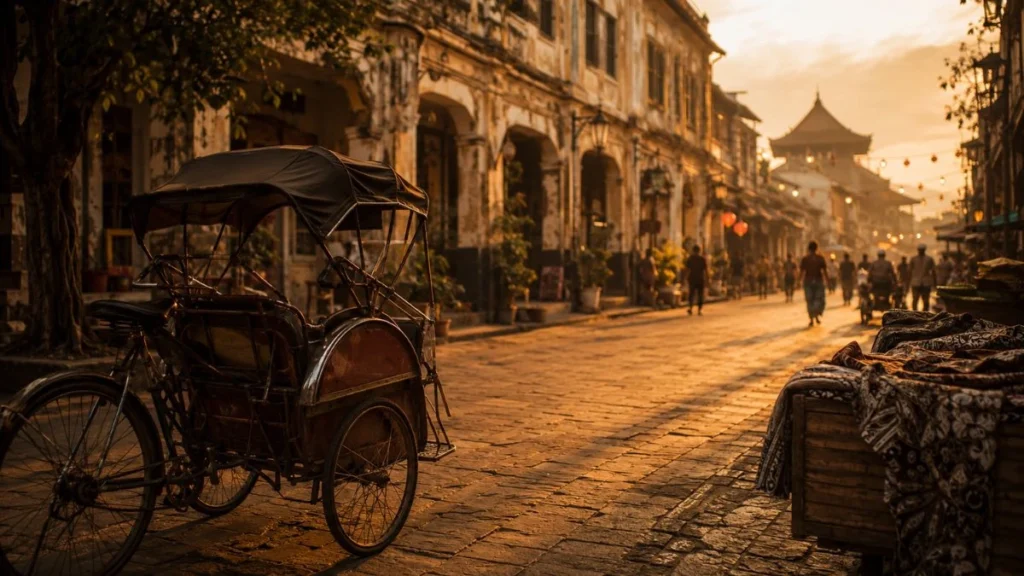
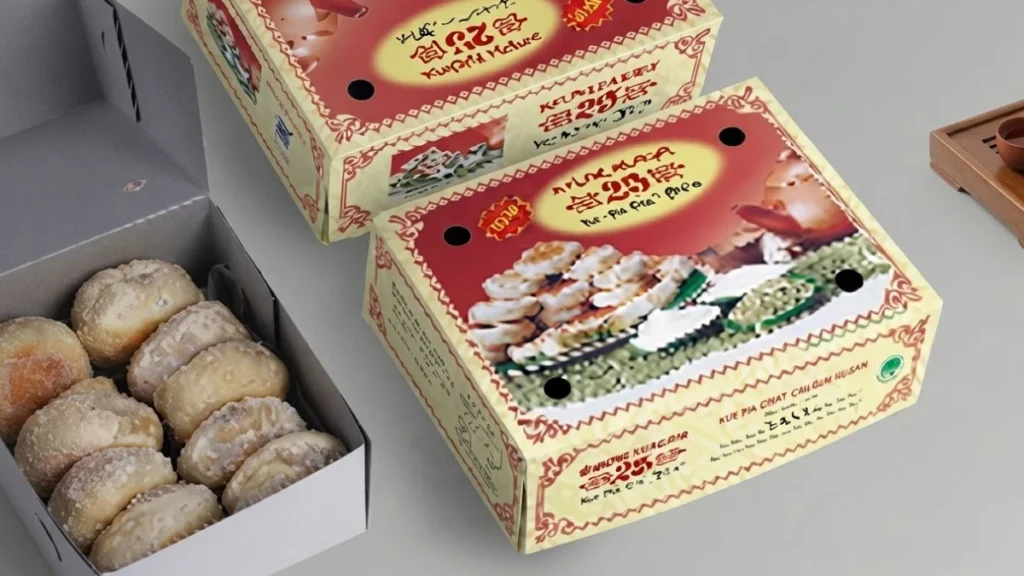
Walk through Malioboro, a shopping mall, or pretty much any tourist stop in Yogyakarta, and you’ll see stacks of small yellow boxes labeled Bakpia Pathok — a fixture of the yogyakarta food guide that most visitors don’t expect to double as a souvenir. It’s the city’s default souvenir — a soft, flaky pastry filled with sweetened mung bean paste, sold everywhere from airport gift shops to roadside stalls. What’s less obvious is that the pastry itself tells a migration story going back nearly a century.
Where Bakpia Actually Comes From
Bakpia traces back to Chinese immigrants who settled in Yogyakarta in the early-to-mid 20th century, adapting a Hokkien pastry called tou luk pia — literally “green bean cake” — to local tastes. The name “bakpia” itself blends the Hokkien Chinese term with “Pathok,” the Yogyakarta neighborhood where production first took hold.
Early versions used pork and lard, standard for the Chinese pastry it was based on. As the recipe spread through the mostly Muslim Javanese population, makers reworked it into a halal version, dropping the pork and switching to a mung bean paste filling — the version that’s now considered the standard.
Why It’s Called “Pathok 25,” “Pathok 75,” and So On
One quirk that confuses first-time buyers: nearly every bakpia shop carries a number in its name. This comes from a longstanding local tradition of naming products after the maker’s house number on Jalan Pathok, the street where the earliest producers set up shop. According to the Yogyakarta Tourism Portal, Bakpia Pathok 25 — one of the most recognized names today — has operated since 1979 and takes its number directly from its original address on Jalan Pathok 25.
Other well-known names follow the same pattern, so seeing “99,” “145,” or any other number attached to “Bakpia Pathok” isn’t a flavor or grade — it’s simply which house number that particular maker started from.
What to Actually Expect
Classic bakpia is round, palm-sized, and filled with sweet mung bean paste, though most shops now offer variations — chocolate, cheese, durian, and other modern flavors alongside the traditional green bean version. It’s sold in small boxes designed for gifting, which is exactly how most visitors end up buying it: not for eating on the spot, but to bring home for family and coworkers.
Where to Buy It
Bakpia is sold throughout the city — along malioboro street yogyakarta, inside pasar beringharjo yogyakarta, at shopping centers, and directly from producer outlets in the Pathok and Ngampilan area where the tradition began. Buying from a producer’s own outlet rather than a generic souvenir stand generally means fresher stock and a more reliable flavor, though the convenience of grabbing a box on the way to the airport is real too.
Is It Worth Buying?
For a low-effort, universally likeable gift, yes — bakpia travels well, doesn’t require refrigeration for short trips, and gives people back home a genuine taste of the city rather than a generic keychain. If you’re deciding what to bring back from Jogja and don’t want to overthink it, a box or two of bakpia is the safe, expected answer.
What does bakpia actually taste like?
The classic version is mildly sweet, with a soft mung bean filling wrapped in a thin, slightly flaky pastry shell — not overly sugary, closer to a subtle bean paste than a dessert-level sweetness.
How long does bakpia stay fresh?
Traditional versions typically keep for several days at room temperature, though this varies by producer; some sell vacuum-sealed versions specifically for longer trips or international travel.
Is bakpia halal?
Yes, modern bakpia sold in Yogyakarta uses mung bean paste rather than the original pork filling, making it halal and suitable for the region’s Muslim-majority population.
What’s the difference between all the different-numbered bakpia brands?
The numbers typically reference the house address where each maker originally started production on Jalan Pathok — they aren’t grades or quality tiers, just brand names tied to local history.
Where’s the best place to buy fresh bakpia?
Producer outlets directly in the Pathok and Ngampilan area tend to have the freshest stock, though Malioboro and Pasar Beringharjo are more convenient for a quick purchase.
Sumber Resmi
- Yogyakarta Tourism Portal — Bakpia Pathok 25 (diverifikasi aktif via fetch, diakses 4 Agustus 2026) — sumber resmi Dinas Pariwisata DIY untuk sejarah Bakpia Pathok 25