Kotagede silver isn’t a souvenir category — it’s a trade that’s been passed down through families in this Yogyakarta neighborhood for generations, long before anyone thought to put “authentic” in front of it. Here’s what’s actually happening behind the showroom windows, and why some workshops are worth your time more than others.
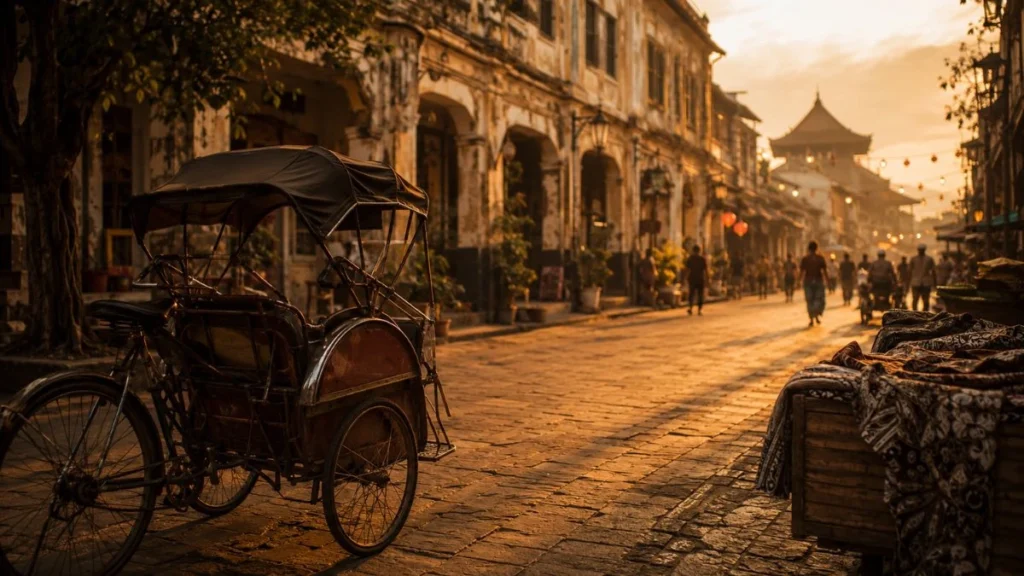
Most things written about Kotagede silver treat it as a shopping stop: buy a ring, take a photo of someone hammering metal, move on. That framing isn’t wrong, but it skips the more interesting part — Kotagede isn’t a craft market that sprang up for tourists. It’s one of the oldest continuously inhabited neighborhoods in Yogyakarta, and silversmithing has been a family trade here since the Mataram Sultanate first established the area as a royal cemetery town in the 1500s.
That history matters for anyone trying to understand what they’re actually looking at when they walk into a Kotagede silver workshop today.
Why Kotagede Became Yogyakarta’s Silver District
The short version: Kotagede was the original capital of the Mataram Sultanate before the seat of power moved to what’s now the Yogyakarta Kraton. When that shift happened, Kotagede didn’t disappear — it settled into a quieter role as a craft and trade town, and silverwork became one of its defining industries, partly because of royal patronage and partly because the skill simply stayed concentrated in a handful of local families.
What’s different about Kotagede compared to most “craft village” destinations is that the silverwork was never built around tourism. It existed first as a domestic industry — jewelry, ceremonial pieces, household items — and tourism arrived on top of an economy that was already there.
What a Real Kotagede Silver Workshop Looks Like
The workshops worth visiting in Kotagede aren’t hard to spot once you know what you’re looking for, but they’re easy to miss if you stick to the main road. The main strip, Jalan Kemasan, is lined with larger showrooms — these are legitimate businesses, but they’re set up primarily for retail, with the actual silversmithing happening somewhere out of view.
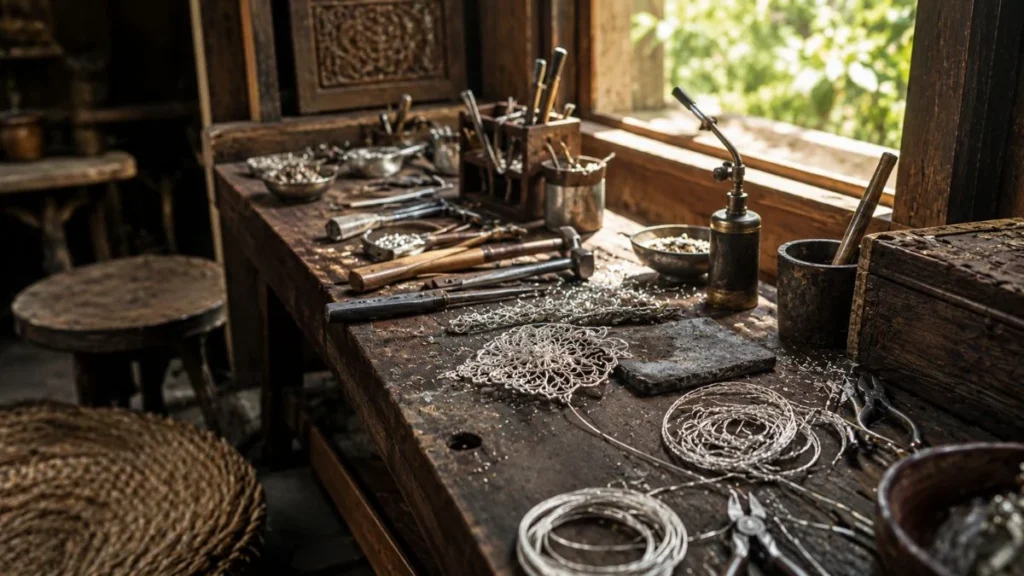
The more interesting workshops sit a block or two off that main strip, in smaller family compounds where the showroom and the workbench are the same room. Here, you can usually watch the actual process: hand-hammering, filigree work (a technique Kotagede is particularly known for, involving fine twisted silver wire shaped into intricate patterns), and finishing, often done by the same family that’s been doing it for two or three generations.
The honest trade-off worth knowing: as foot traffic into Kotagede has grown over the past several years, some workshops have shifted toward a showroom-first model — nice displays, less visible craftsmanship, prices aimed at quick tourist purchases rather than serious buyers. That’s not dishonest, exactly, but it’s a different experience than what people often expect when they come looking for Kotagede silver specifically for the craft, not just the souvenir.
Filigree, and Why It’s Worth Understanding Before You Buy
If there’s one technique that defines Kotagede silver, it’s filigree — silver drawn into thin threads, then twisted, coiled, and soldered into patterns that range from simple floral motifs to extremely fine, almost lace-like designs. It’s slow, exacting work, and the price difference between a mass-produced piece and a genuinely hand-filigreed one usually comes down to time, not just material.
This is worth knowing before you shop, because it’s the easiest way to tell a workshop that’s still doing serious craftsmanship from one that’s mostly importing or machine-finishing pieces and selling them under the same “Kotagede silver” label. Asking to see the process, even briefly, is a reasonable thing to do — most of the family-run workshops are used to it and don’t mind.
Beyond Silver: Kotagede’s Older Layers
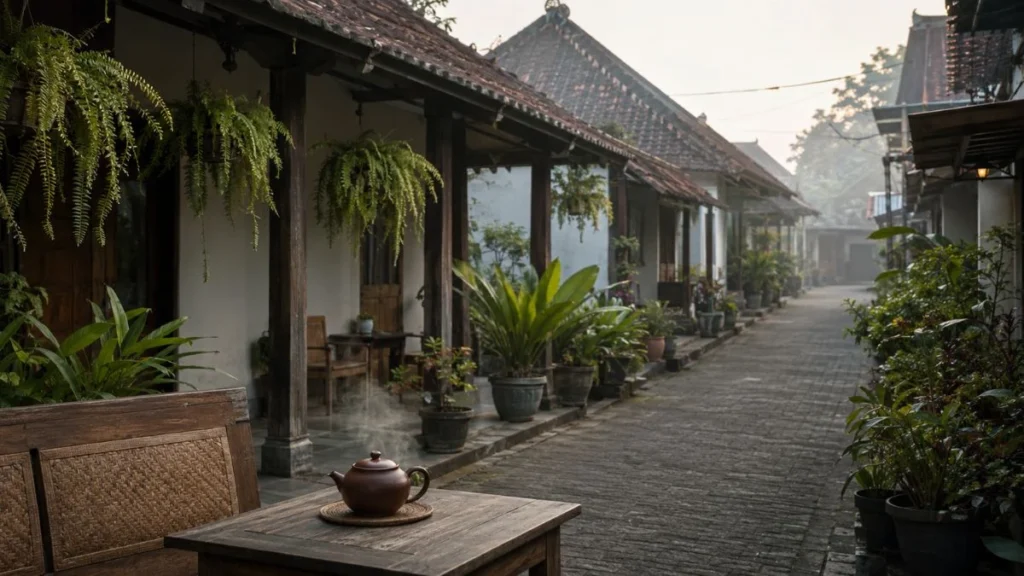
Silver is what brings most visitors to Kotagede, but the neighborhood itself has more going on than the craft alone. The old royal cemetery complex, where Mataram’s founding sultans are buried, still sits at the heart of the district, and the surrounding kampung retains a layout and rhythm that predates the silver trade by centuries — narrow lanes, old Javanese houses, a market that has nothing to do with tourism.
If you’re already factoring Kotagede into your trip, it’s worth treating it as more than a shopping stop. We cover the rest of what’s worth seeing in Yogyakarta, including how Kotagede fits into a broader visit, in our guide to things to do in Yogyakarta.
Staying in Kotagede Instead of Just Visiting
A small number of homestays have opened in Kotagede in recent years, mostly run out of family compounds, aimed at travelers who want to experience the neighborhood beyond a daytime visit. It’s a genuinely different option from staying closer to Malioboro or Prawirotaman — quieter, more local, with a longer ride into the city center on the days you need it. We break down that trade-off in more detail in our guide to where to stay in Yogyakarta.
Frequently Asked Questions
Is Kotagede silver genuinely handmade?
At the family-run workshops set back from the main tourist strip, yes — much of it, particularly filigree work, is still done by hand. Larger showrooms on the main road sell a mix of handmade and machine-finished pieces, so it’s worth asking directly if hand-craftsmanship matters to you.
How do I get to Kotagede from central Yogyakarta?
Kotagede is roughly 20–30 minutes by car or ride-hailing app from the Kraton or Malioboro area, depending on traffic. There’s no direct public transit route, so a ride-hailing app or arranged transport is the most practical option.
Is Kotagede silver expensive compared to other silver jewelry in Indonesia?
Prices vary widely depending on workshop and technique. Hand-filigreed pieces cost more due to the time involved, while machine-finished or imported pieces sold under the same label tend to be cheaper but less representative of the actual local craft.
How much time should I spend in Kotagede?
A half-day is enough to see a couple of workshops and walk through the older parts of the neighborhood without rushing. Travelers staying overnight in Kotagede get a noticeably different, quieter version of the experience than a daytime visit allows.